What is the Software Development Lifecycle(SDLC)? Complete Guide for Beginners
The Software Development Lifecycle (SDLC) is the structured process software teams use to plan, design, build, test deploy, and maintain applications. Whether you are creating a mobile app, enterprise platform, Saas product, or an AI-powered solution, the SDLC provides a framework that helps teams deliver reliable software efficiently.
In 2026, SDLC processes are evolving rapidly due to AI -assisted development, DevOps automation, cloud-native architecture, and cybersecurity requirements. Modern development teams now combine Agile workflows, CI/CD pipelines, automated testing, and AI coding tools to accelerate software delivery while maintaining quality.
What is the Software Development Lifecycle?
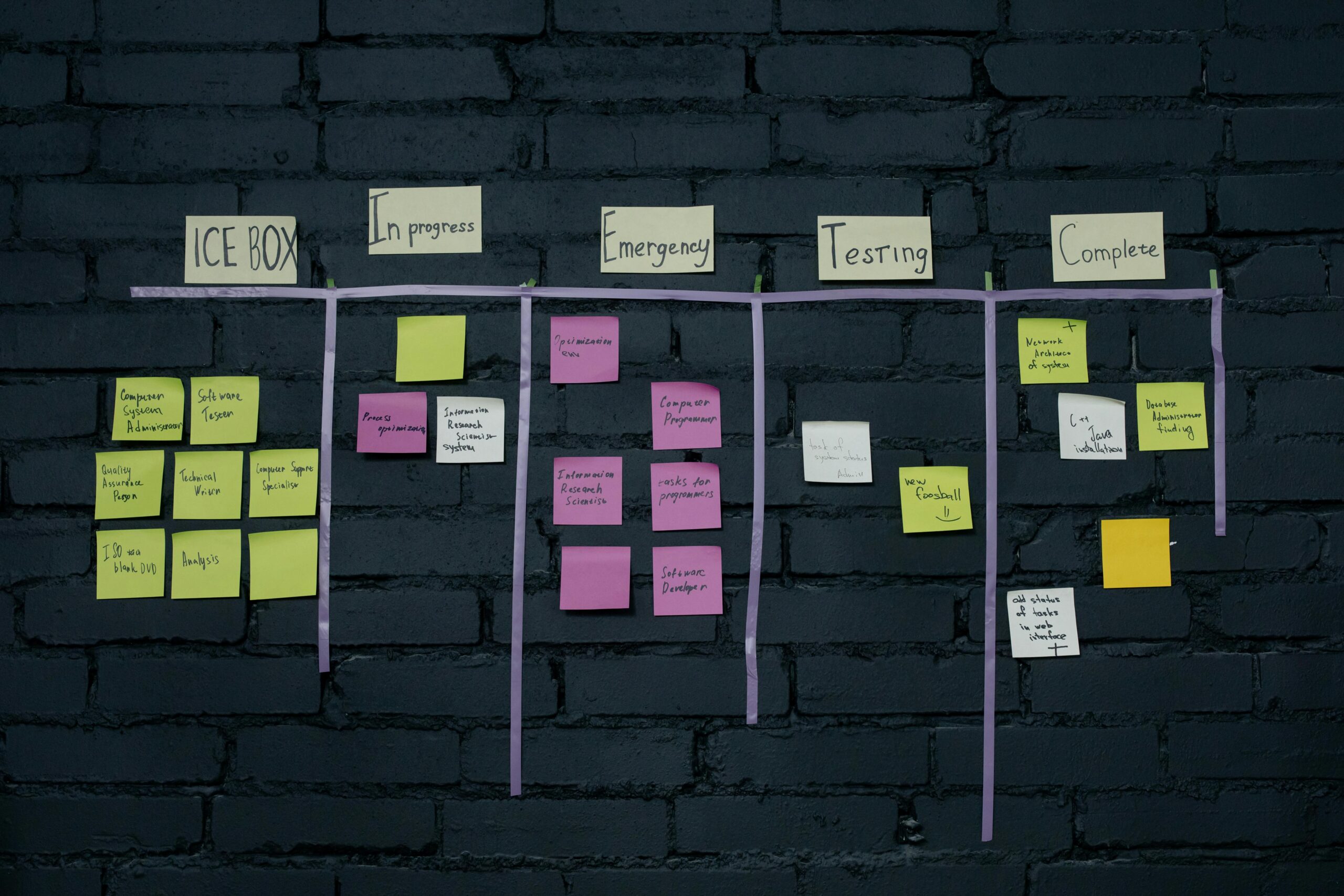
The SDLC is a step-by-step methodology used to guide software projects from idea to deployment and ongoing maintenance. It helps organizations:
- Reduce development risks
- Improve software quality
- Manage project timelines
- Control costs
- Improve collaboration between teams
- Ensure scalability and security
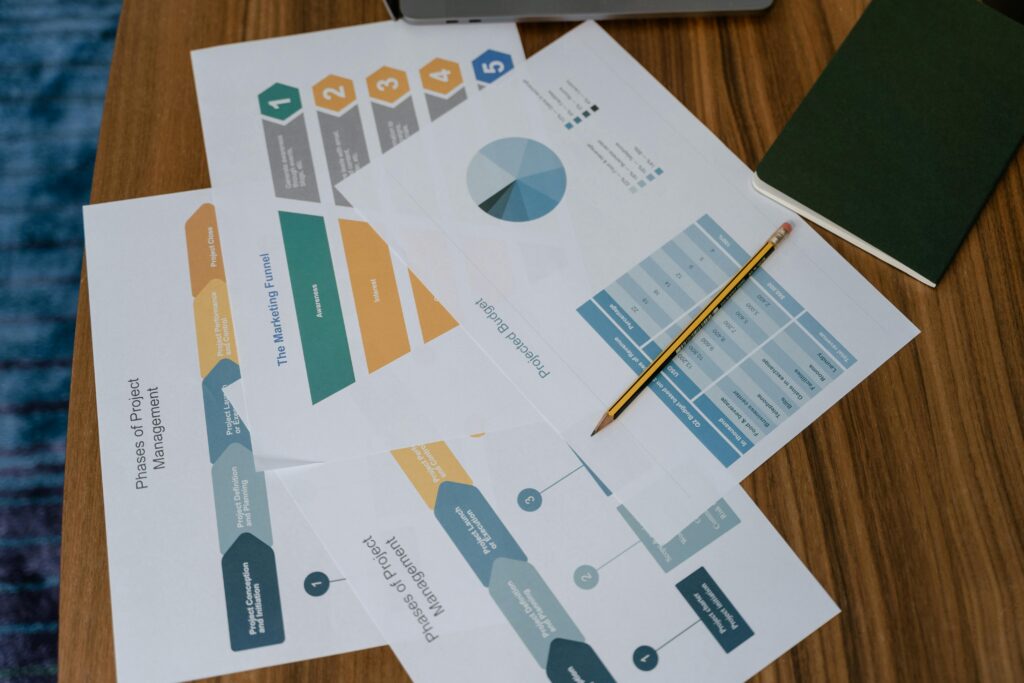
Most SDLC frameworks include several core phases that work together to create a predicable development process.
The 7 Phases of the SDLC
1. Planning & Requirement Analysis
The first stage focuses on understanding the business problem and project goals.
Common activities include:
- Stakeholder interviews
- Market research
- Defining project scope
- Budget estimation
- Timeline planning
- Risk assessment
Teams gather both functional and non-functional requirements before development begins. Clear planning reduces scope creep and prevents expensive redesigns later in the project.
Related Articles:
- The Ultimate Guide to Software Development
- How to Become a Software Developer in 2026
- Best Programming Languages to Learn in 2026
2. Feasibility Study
Before coding begins, teams determine whether the project is technically and financially viable.
This phase evaluates:
- Technical feasibility
- Operational Feasibility
- Economic feasibility
- Legal compliance
- Resource availability
Feasibility analysis helps businesses avoid investing in projects that may not succeed.
Related Articles:


3. System Design
During the design phase, architects and developers create the blueprint for the software application.
This includes:
- Database design
- User Interface (UI) design
- API architecture
- System workflows
- Security planning
- Infrastructure decisions
Modern design processes also emphasize scalability, cloud deployment, and user experience.
Related Articles:
4. Development (Coding)
This is the implementation stage where developers write the actual application code.
Development often involves:
- Frontend programming
- Backend development
- Database integration
- API development
- Version control with git
- Code reviews
In 2026, AI coding assistants and automation tools are dramatically accelerating development workflows. Many organizations now integrate generative AI directly into the SDLC pipeline.
Related Articles:
5. Testing & Quality Assurance
Testing ensures the software works correctly before release.
Common testing types include:
- Unit testing
- Integration testing
- Performance testing
- Security testing
- User acceptance testing(UAT)
Modern DevOps teams rely heavily on automated testing to improve release speed and reliability. Continuous testing has become a core component of modern SDLC workflows.
6. Deployment
Once testing is complete, the software is released to users.
Deployment strategies may include:
- Cloud deployment
- Continuous Delivery (CD)
- CI/CD pipelines
- Containerization with Docker
- Kubernetes orchestration
Modern deployment systems emphasize automation, scalability, and rapid iteration. Agile and DevOps practices allow teams to deploy updates frequently with minimal downtime.
Related Articles:
7. Maintenance Continuous Improvement
The SDLC does not end after deployment. Software must be maintained and updated regularly.
Maintenance includes:
- Bug fixes
- Security updates
- Performance optimization
- Feature enhancements
- User feedback implementation
Many organizations now treat maintenance as an ongoing cycle of continuous improvement rather than a final stage.
Related Articles:
Popular SDLC Methodologies
Different projects require different development approaches.
Waterfall Model
A linear approach where each phase is completed before the next one begins.
Best for:
- Large enterprise systems
- Government projects
- Fixed-scope applications
Agile Methodology
An iterative approach focused on continuous feedback and rapid delivery.
Best for:
- SaaS products
- Startups
- Fast-changing projects
DevOps
Combines development and IT operations to automate deployments and improve collaboration.
Best for:
- Cloud-native applications
- Enterprise SaaS
- Continuous delivery environments
Spiral Model
Combines iterative development with strong risk management.
Best for:
- High-risk projects
- Large-scale software systems
How AI is Transforming the SDLC in 2026
Artificial intelligence is transforming nearly every stage of the software development cycle.
Modern AI-powered SDLC workflows now include:
- AI code generation
- Automated testing
- AI-assisted debugging
- Intelligent documentation
- Predictive analytics
- Security automation
Research shows AI tools are increasingly integrated across planning, development, testing, and maintenance workflows.
Related Articles:
- AI Coding Assistants Compared
- Best AI Productivity Tools
- What is Generative AI?
- The Ultimate Guide to AI & Emerging Technology



Benefits of Following the SDLC
Organizations that use structured SDLC practices typically experience:
- Better project management
- Improved collaboration
- Higher software quality
- Reduced security risks
- Faster release cycles
- Lower long-term maintenance costs
A well-defined SDLC also helps teams scale development efficiently as projects grow more complex.
Final Thoughts
The Software Development Lifecycle remains the foundation of successful software engineering in 2026. While methodologies and tools continue evolving, the core goal of the SDLC stays the same: building high-quality software efficiently and reliably.
Modern software teams now combine Agile practices, DevOps automation, AI-assisted development, cloud infrastructure, and cybersecurity best practices to create faster and smarter development workflows.
Whether you are beginner learning software engineering or a business building enterprise applications, understanding the SDLC is essential for long-term success.
Related Article: