Best Programming Languages to Boost Your Tech Career in 2026
As software development continues evolving with AI assisted coding, cloud-native applications, automation, and cybersecurity demands, choosing the right programming languages in 2026 is more strategic than ever. The best language for you depends on your goals – whether you want to build AI tools, web applications, mobile apps, enterprise software, or cloud infrastructure.
Industry trend reports consistently show that Python, JavaScript/TypeScript, Go, Rust, Java, and Kotlin remain among the most in-demand languages because of their versatility, job opportunities, and ecosystem maturity/
Why Choosing the Right Language Matters in 2026
Modern software development is being reshaped by:
- AI-assisted programming tools
- Cloud-native development
- Full-Stack JavaScript ecosystems
- Cybersecurity-focused engineering
- Mobile-first applications
- Automation and DevOps pipelines
Developers who combine foundational programming skills with modern tooling will remain highly valuable despite the rise of AI-coding assistants.
1. Python – Best Overall Language for Beginners & AI
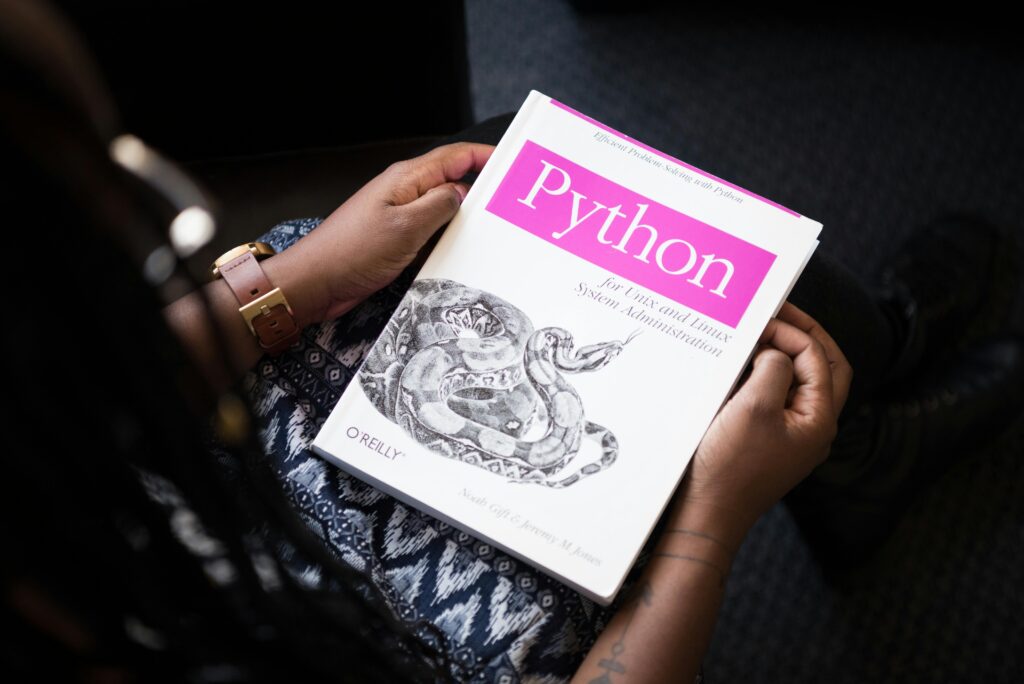
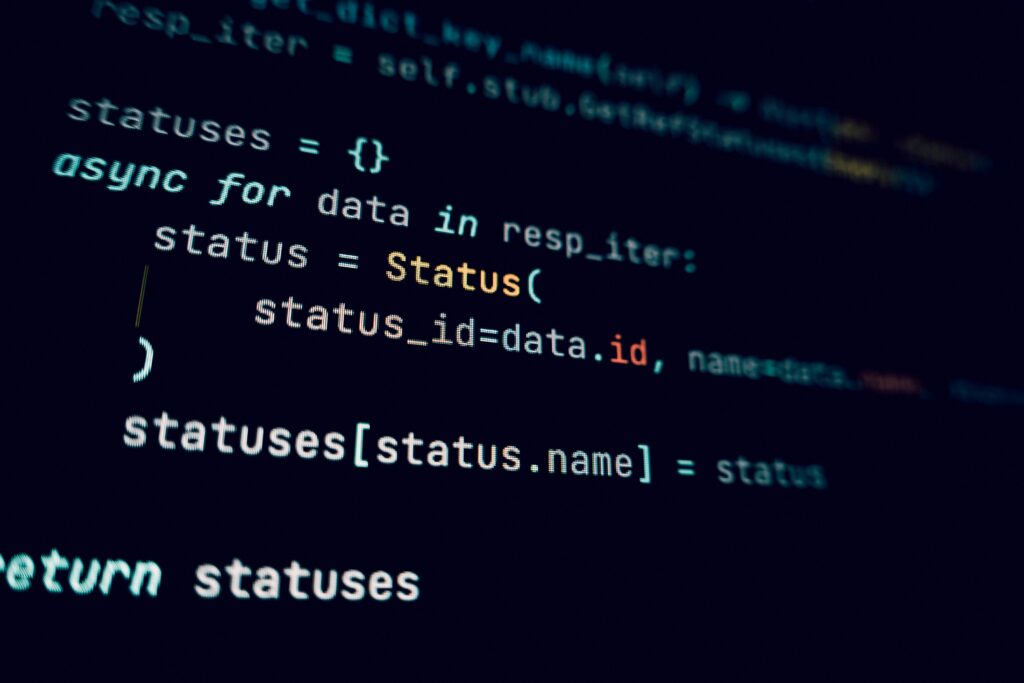
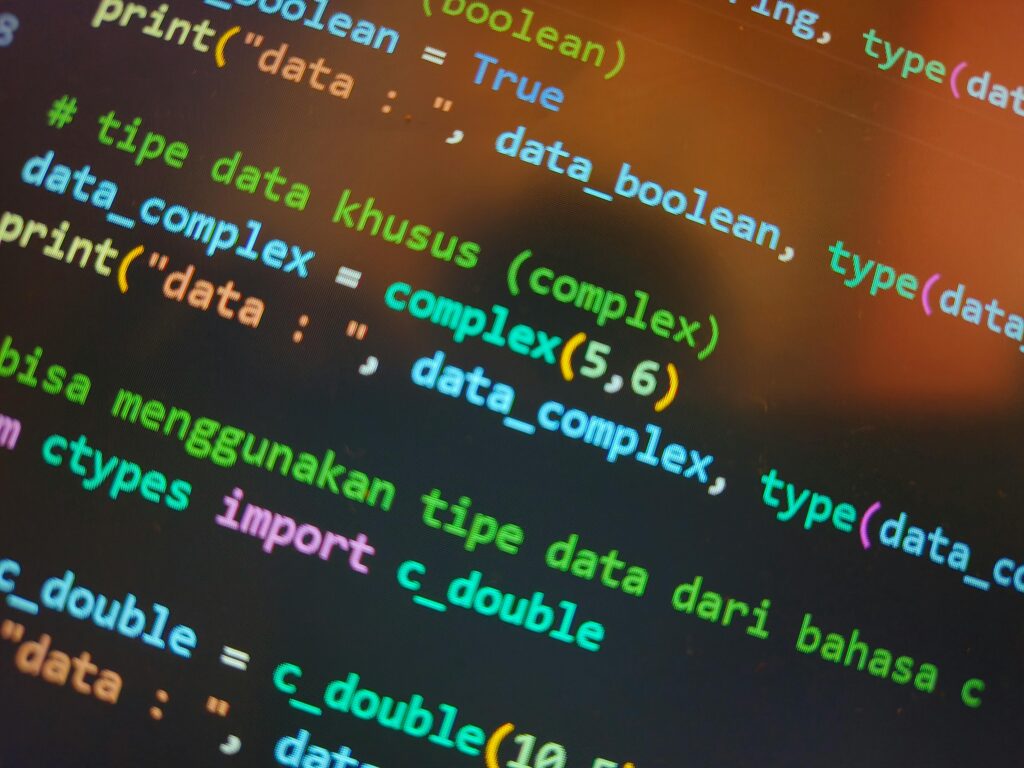
Python continues to dominate software development in 2026 because of its simplicity, versatility, and enormous ecosystem. It remains the leading language for:
- Artificial intelligence
- Machine Learning
- Data Science
- Automation
- Backend APIs
- Cybersecurity scripting
Python is especially beginner-friendly because its syntax is clean and readable.
Best Use Cases
- AI & Machine learning
- Automation
- Data analytics
- Web applications
- Cybersecurity tools
Related Articles:
- The Ultimate Guide to Software Development
- How AI is Changing Software Development
- Best AI Tools For Developers
- AI Coding Assistants Compared
- Beginners Guide to Machine Learning
- Cloud Computing Explained
- Cybersecurity Basics Everyone Should Know
Python remains one of the highest-ranked languages in popularity indexes and developer demand surveys.
2. JavaScript – The Language of the Web
JavaScript powers nearly every modern website and web application. Combiined with frameworks like React, Next.js, and Node.js, JavaScript remains essential for front-end and full-stack development.
Why Learn JavaScript?
- Massive job market
- Full-stack capabilities
- Runs directly in browsers
- Huge ecosystem
- Essential for web development
Best Use Cases
- Front-end development
- Full-stack web apps
- Interactive user interface
- Serverless applications
- AI powered productivity apps
Related Articles:
- Cloud Computing Explained
- How AI is Changing Software Development
- Best AI Productivity Tools
- The Ultimate Guide to AI & Emerging Technology
JavaScript and TypeScript continue to dominate web engineering and SaaS development in 2026.
3. TypeScript – Essential for Modern Enterprise Apps
TypeScript is essentially JavaScript with static typing. In 2026, many professional development teams prefer TypeScript because it improves scalability, reliability, and maintainability.
Best Use Cases
- Enterprise applications
- Large-scale web apps
- Saas platforms
- Team-based software projects
Why It’s Growing
- Better debugging
- Safer code
- Strong IDE support
- Preferred in modern React ecosystems
Related Articles:
4. Go (Golang) – Best for Cloud & DevOps
Go has become a major language for cloud-native infrastructure and backend services. Companies building scalable systems often choose Go because it is fast, lightweight, and efficient.
Best Use Cases
- Cloud computing
- APIs and microservices
- DevOps tools
- Infrastructure automation
Why Developers Love Go
- Fast compilation
- Simple syntax
- Excellent concurrency handling
- Ideal for distributed systems
Related Articles:
- Cloud Computing Explained
- Cybersecurity Basics Everyone Should Know
- How AI is Changing Software Development
5. Rust – The Fastest Growing Systems Language
Rust conttinues gaining momentum because of its memory safety and performance advantages. Major technology companies are increasingly adopting Rust for security-critical software.
Best Use Cases
- Systems programming
- Security-focused software
- High-performance applications
- Embedded systems
Why Rust Matters in 2026
- Safer than C/C++
- Strong performance
- Excellent concurrency support
- Growing enterprise adoption
Related Articles:
- Cybersecurity Basics Everyone Should Know
- The Ultimate Guide to Software Development
- How AI is Changing Software Development
6. Java & Kotlin – Enterprise and Android Leaders
Java remains dominate in enterprise software, while Kotlin continues to grow as the preferred language for Android development.
Best Use Cases
- Android applications
- Enterprise systems
- Banking software
- Backend services
Related Articles:
- Cloud Computing Explained
- Best Laptops for AI Development
- The Ultimate Guide to Software Development
Which Programming Language Should You Learn First?
Your ideal language depends on your goals:
Goal
AI & Machine Learning
Web Development
Cloud & DevOps
Cybersecurity & Systems
Mobile Development
Enterprise Software
Beginner-Friendly Learning
Recommended Language
Python
JavaScript / TypeScript
Go
Rust
Kotlin
Java
Python
Recommended Learning Path for 2026
A strong modern roadmap looks like this:
- Start with Python or JavaScript
- Learn Git and version control
- Build projects consistently
- Learn databases and APIIs
- Explore cloud deployment
- Use AI coding assistants responsibly
- Specialize in a niche (AI, cybersecurity, cloud, mobile, etc.)
Final Thoughts
The best programming language in 2026 is not necessarily the “most popular” one – it’s the language that aligns with your long-term goals.
For most beginners:
- Python is the best starting point
- JavaScript/TypeScript is essential for web development
- Go and Rust are excellent for future-proof specialization
The strongest developers in 2026 will understand both software engineering fundamentals and how to work effectively with AI-assisted development tools.