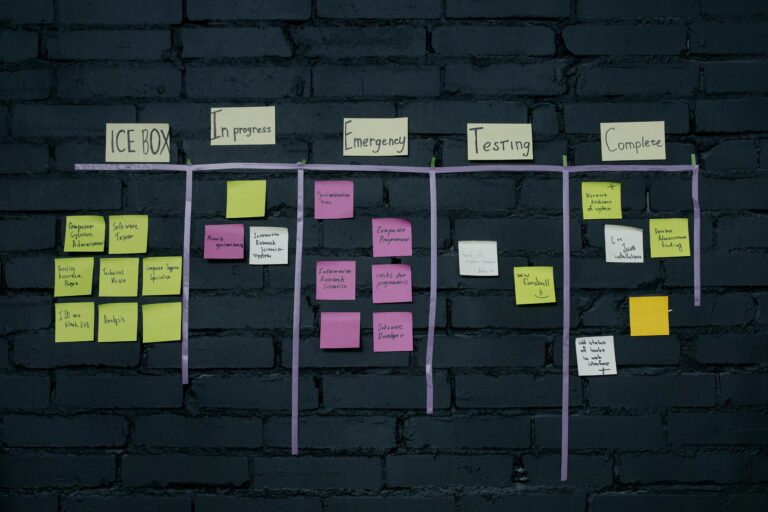

The Ultimate Developer Career Roadmap (Beginner to Senior Engineer)
Introduction
Software development remains one of the most rewarding and fastest-growing career paths in the world. Whether you’re a student, career changer, self-taught programmer, or aspiring engineer, understanding the developer career roadmap from beginner to senior developer can help you avoid common mistakes and accelerate your growth.
This guide breaks down every stage of the developer journey – from writing your first lines of code to leading engineering teams and architecting large-scale systems.
By the end of this roadmap, you’ll know exactly what skills to develop, what projects to build, and what milestones to aim for at each stage of your career.
Why Follow a Developer Roadmap?
Many new developers spend months learning random technologies without a clear direction.
A structured roadmap helps you:
- Focus on the most valuable skills first
- Avoid tutorial overload
- Build practical experience faster
- Create a portfolio that attracts employers
- Progress from junior to senior roles more effeciently
- Increase earning potential over time
Remember: successful developers are not those who know the most technologies – they are. those who can consistently solve problems and deliver value.



Stage 1: Learning the Fundamentals (0-6 Months)
Every great developer starts with the basics.
Core Programming Concepts
Learn:
- Variables
- Data types
- Operators
- Conditional statements
- Loops
- Functions
- Arrays and collections
- Objects and classes
- Error handling
Recommended Beginner Languages
Popular options include:
Python
Best for:
- Beginners
- Automation
- Data science
- AI and machine learning
JavaScript
Best for:
- Web development
- Frontend applications
- Full-stack development
C#
Best for:
- Enterprise applications
- Desktop software
- Game development with Unity
Java
Best for:
- Enterprise systems
- Android development
- Backend engineering
Learn Version Control
Version control is mandatory.
Master:
- Git
- Branching
- Commits
- Pull requests
- GitHub workflows
Employers expect developers to understand Git regardless of experience level.
Stage 2: Build Real Projects (3-12 Months)
Projects separate developers from learners.
Why Projects Matter
Projects demonstrate:
- Problem-solving ability
- Practical coding skills
- Experience using tools and frameworks
Beginner Project Ideas
Web Applications
- To-do app
- Weather dashboard
- Personal blog
- Portfolio website
Automation Tools
- File organizer
- Web scraper
- Data processing scripts
Games
- Tic-Tac-Toe
- Snake
- Quiz applications
Portifolio Goals
Aim for:
- 3-5 completed projects
- Public GitHub repositories
- Clear documentation
- Screenshots and demos
Quality matters more than quantity.
Stage 3: Choose a Career Path (6-18 Months)
As your skills grow, specialization becomes important.
Frontend Developer
Focus on:
- HTML
- CSS
- JavaScript
- TypeScript
- React
- Next.js
Additional skills:
- Responsive design
- Accessibility
- UI/UX principles
- Performance optimization
Backend Developer
Focus on:
- APIs
- Databases
- Authentication
- Server-side programming
Popular technologies:
- Node.js
- Python
- Java
- C#
- Go
Database knowledge:
- PostgreSQL
- MySQL
- SQL Server
- MongoDB
Full-Stack Developer
Combines:
- Frontend development
- Backend development
- Database management
- Deployment
Mobile Developer
Focus on:
- Linux
- Networking
- Cloud platforms
- CI/CD
- Infrastructure as Code
Key technologies:
- Docker
- Kubernetes
- Terraform
- Jenkins
- GitHub Actions
AI and Machine Learning Engineer
Focus on:
- Python
- Statistics
- Data structures
- Machine learning
- Deep learning
Popular tools:
- TensorFlow
- PyTorch
- Scikit-learn
- Hugging Face
Stage 4: Land Your First Developer Job (1-3 Years)
Breaking into the industry is often the hardest step.

Build a Professional Portfolio
Include:
- Personal website
- GitHub profile
- Resume
- Technical projects
- Linkedin profile
Practice Technical Interviews
Study:
- Algorithms
- Data structures
- Problem-solving
Common platforms:
- LeetCode
- HackerRank
- Codewars
Network Strategically
Many jobs come through referrals.
Ways to network:
- Developer communities
- Meetups
- Conferences
- Open-source contributions
- Linkedin engagemment
Apply Consistently
Don’t wait until you feel “ready.”
Apply for:
- Junior developer
- Associate Software Engineer
- Entry-Level Developer
- Software Engineer 1
Most developers learn more during their first year of employment than during years of self-study.
Stage 5: Become a Mid-Level Developer (2-5 Years)
At this stage, your focus shifts from writing code to delivering business value.
Technical Growth Areas
Master:
- Software architecture
- API design
- Testing strategies
- Database optimization
- Security fundamentals
Learn Software Engineering Practices
Develop expertise in:
- Agile methodologies
- Code reviews
- Documentation
- CI/CD pipelines
- Automated testing
Improve Collaboration Skills
Strong Developers:
- Communicate clearly
- Mentor juniors
- Work effectively with product teams
- Participate in design discussions
Technical skills alone are not enough for long-term career growth.
Stage 6: Advance to Senior Engineer (5+ Years)
Senior engineers solve complex problems and influence technical direction.
Characteristics of Senior DevelopersSenior engineers:
- Design scalable systems
- Lead technical initiatives
- Mentor team members
- Improve development processes
- Make architecture decisions
System Design Skills
Learn:
- Distributed systems
- Microservices
- Scalability
- Load balancing
- Caching
- Cloud architecture
Business Understanding
Senior engineers understand:
- Product goals
- Customer needs
- Revenue impact
- Technical tradeoffs
The best engineers align technology with business objectives.
Stage 7: Explore Advanced Career Paths
After reaching senior level, multiple opportunities become available.
Staff Engineer
Focuses on:
- Cross-team influence
- Large-scale architecture
- Technical leadership
Principal Engineer
Responsible for:
- Organization-wide technical strategy
- Innovation
- Long-term architecture decisions
Engineering Manager
Focuses on:
- Team leadership
- Hiring
- Coaching
- Project delivery
Solutions Architect
Specializes in:
- Cloud platforms
- Enterprise solutions
- Customer-facing technical consulting
Founder or Freelancer
Some developers choose:
- Independent consulting
- Freelancing
- Startup creation
- Product development
Essential Skills for Every Career Stage
Regardless of specialization, all developers should continuously improve:
Problem Solving
Coding is ultimately about solving problems.

Communication
Great engineers explain complex ideas clearly.
Adaptability
Technology evolves constantly.
Continuous Learning
The best developers never stop learning.
Collaboration
Software is a team sport.
Common Mistakes to Avoid
Tutorial Addiction
Watching tutorials without building projects slows growth.
Chasing Every New Technology
Master fundamentals before chasing trends.
Ignoring Soft Skills
Communication often determines promotions.
Avoiding Coding Reviews
Feedback accelerates improvement.
Not Learning System Design
Architecture knowledge becomes increasingly important as careers advance.
Developer Career Timeline
Stage
Beginner
Junior Developer
Mid-Level Developer
Senior Developer
Staff Engineer
Principal Engineer
Experience
0-6 Months
6-24 Months
2-5 Years
5-8 Years
8-12 Years
10+ Years
Actual timelines vary based on effort, opportunity, and specialization.
Frequently Asked Questions
Can I Become a Developer Without a Degree?
Yes. Many successful developers are self-taught or attended college bootcamps.
How Long Does it Take to Become Job-Ready?
Most learners become eomployable within 6-18 months of consistent study and project work.
Which Programming Language Should I Learn First?
Python and JavaScript remain the most beginner-friendly and versatile choices.
Is AI Replacing Developers?
No. AI is becoming a powerful productivity tool, but developers are still needed to design, build, maintain, and improve software systems.
What is the Highest-Paying Developer Career Path?
Specializations such as AI engineering, cloud architecture, cybersecurity, DevOps, and staff/principal engineering roles often command the highest salaries.
Final Thoughts
A successful developer career is not built by learning every technology – it is built by mastering fundamentals, building real projects, solving meaningful problems, and continuously improving.
Whether your goal is becoming a senior software engineer, staff engineer, architect, engineering manager, or technology founder, the journey begins with writing code consistently and never stopping the learning process.
The best time to start was yesterday. The second best time is today.